

Sermorelin vs Ipamorelin vs CJC-1295: Practical Differences

Sermorelin, ipamorelin, and CJC-1295 get lumped together, but they work through different mechanisms and suit different patients. Here is how the two growth hormone pathways work, why the peptides get combined, and which protocol fits which goal.
Tesamorelin for Visceral Fat: What the Clinical Data Shows

Most growth hormone peptides have thin evidence for fat loss. Tesamorelin is the exception, FDA-approved with real trial data measuring visceral fat reduction by CT imaging. Here is how the mechanism works, who fits the protocol, and what monitoring it requires.
HCG, Enclomiphene, TRT: Comparing Modern Testosterone Options

Testosterone injections are not the only answer to low T anymore. HCG, enclomiphene, and combination protocols can raise testosterone while preserving fertility and natural production. Here is how the modern options compare and which fits which situation.
Estradiol on TRT: Why Low E2 Is Worse Than Slightly High

Testosterone forums push men to crush estrogen as low as possible. That advice causes joint pain, low libido, and bone loss. Men need estradiol for bone, joints, mood, and cardiovascular health. Here is what the right range actually looks like.
GLP-1 Plateau at Month 6: What Actually Causes It

Weight loss on semaglutide or tirzepatide slows around month six, and the trial curves predicted it. The plateau is the body’s energy conservation response, not drug failure. Here is the physiology and the clinical levers that push through it.
BMI Is Broken: Better Metrics for Body Composition After 40

BMI was built by an astronomer for population statistics, not patients. It cannot tell muscle from fat or measure where you store it. Here are the metrics that actually predict metabolic risk and how to track them at home or with a DEXA scan.
TRT and Fertility: How to Treat Low T Without Losing Sperm Count
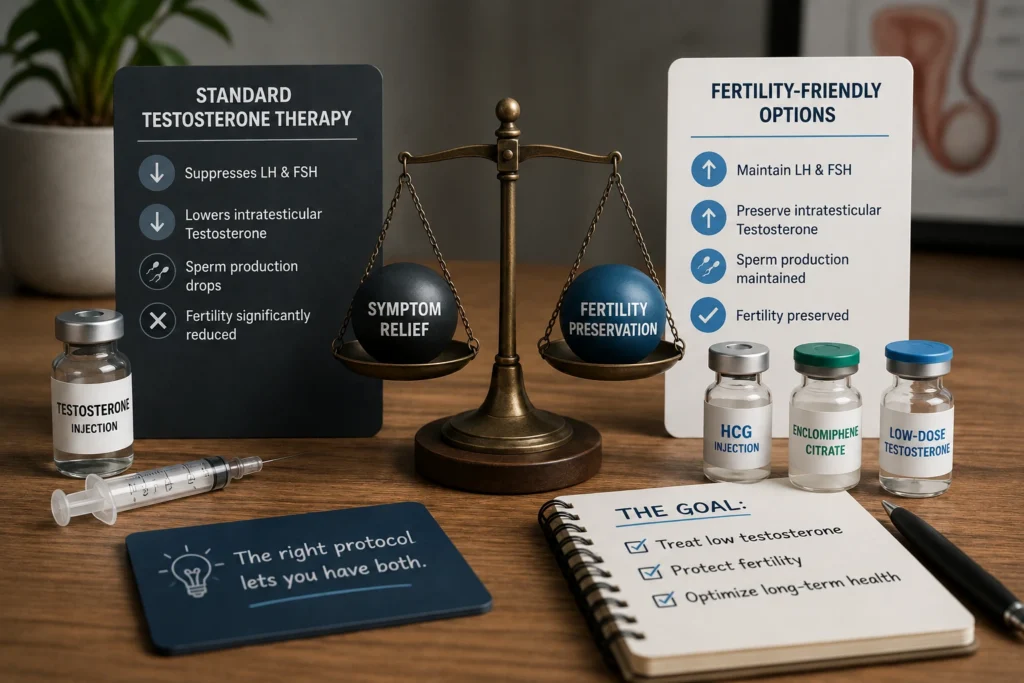
Standard testosterone therapy suppresses sperm production, sometimes to zero. But men do not have to choose between treating low testosterone and having children. Here are the fertility-friendly protocols, including HCG and enclomiphene, and how to evaluate them.
Microdosing GLP-1s: What the Clinical Evidence Actually Shows

Microdosing semaglutide and tirzepatide is an off-label trend with mixed evidence. The biology is plausible, but the clinical validation for microdoses specifically is thinner than the marketing suggests. Here is what the data actually shows.
Compounded vs Brand-Name Semaglutide in 2026: What Patients Should Actually Know
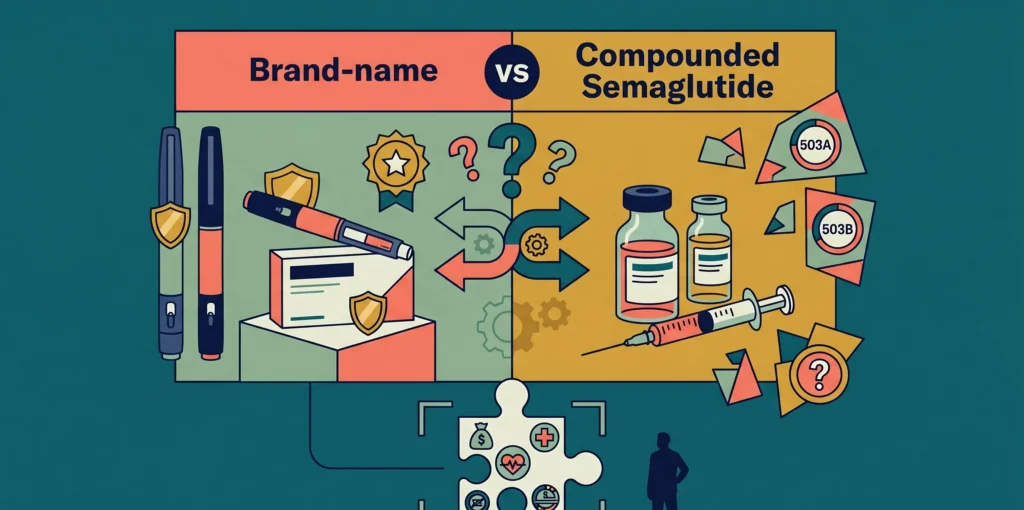
The FDA semaglutide shortage is over and compounding rules have changed. Some compounded forms remain available, others do not, and the source quality varies enormously. See what to ask before agreeing to either pathway in 2026.
The Women’s Health Initiative Reckoning: Why Estrogen Got Blamed for the Wrong Reasons

A 2002 trial scared a generation of women away from hormone therapy. Two decades of follow-up data have rewritten most of the original conclusions. See what the WHI actually found, what got distorted in the press, and what the current evidence supports.