
Peptides have become one of the most discussed topics in health optimization. Athletes use them for recovery. Executives use them for energy and mental clarity. People dealing with injuries use them to heal faster.
But what are peptides, really? And how do you know if they’re right for you?
This guide breaks down the science in plain terms. No hype. No exaggeration. Just the facts about how peptides work and what they can actually do.
What Are Peptides?
Peptides are short chains of amino acids. Amino acids are the building blocks of protein. When you link a few of them together (usually between 2 and 50), you get a peptide.
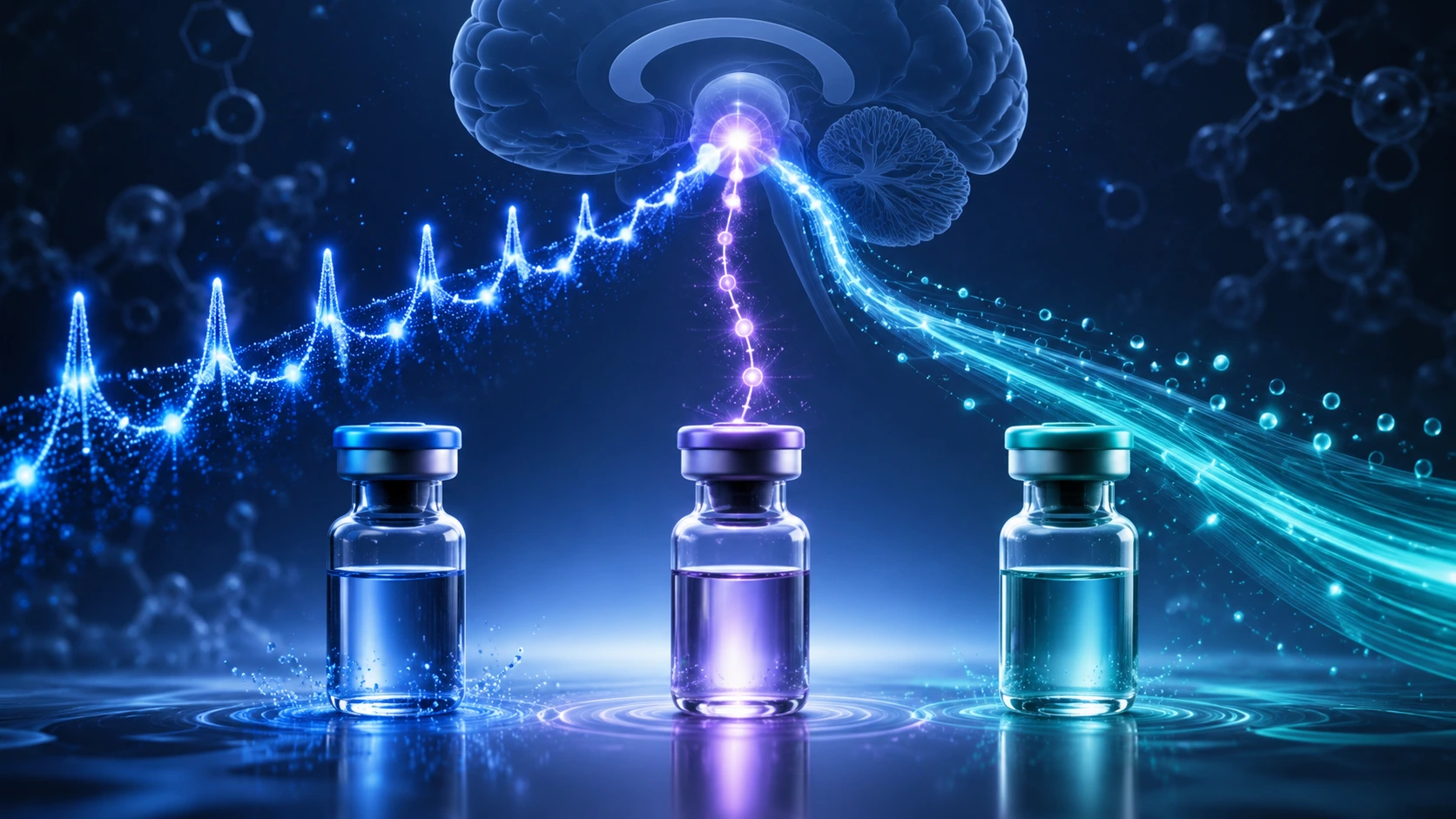
Your body makes thousands of peptides naturally. They act as messengers, telling your cells what to do. Some peptides signal your body to release growth hormone. Others tell tissues to repair themselves. Some reduce inflammation. Others affect metabolism, sleep, or immune function.
Peptide therapy uses lab-made versions of these natural messengers. By introducing specific peptides, you can encourage your body to do things it might not be doing well on its own anymore.
Think of it like this: as you age, your body’s signaling gets weaker. Peptide therapy turns up the volume on specific signals your body still knows how to respond to.
How Peptides Differ from Hormones
Peptides and hormones both act as chemical messengers. But they work differently.
Hormones like testosterone or estrogen are produced by glands and circulate throughout your body. Hormone optimization replaces or supplements these hormones directly.
Peptides are more targeted. Instead of replacing a hormone, most peptides signal your body to produce more of something or to perform a specific function. They work with your body’s existing systems rather than overriding them.
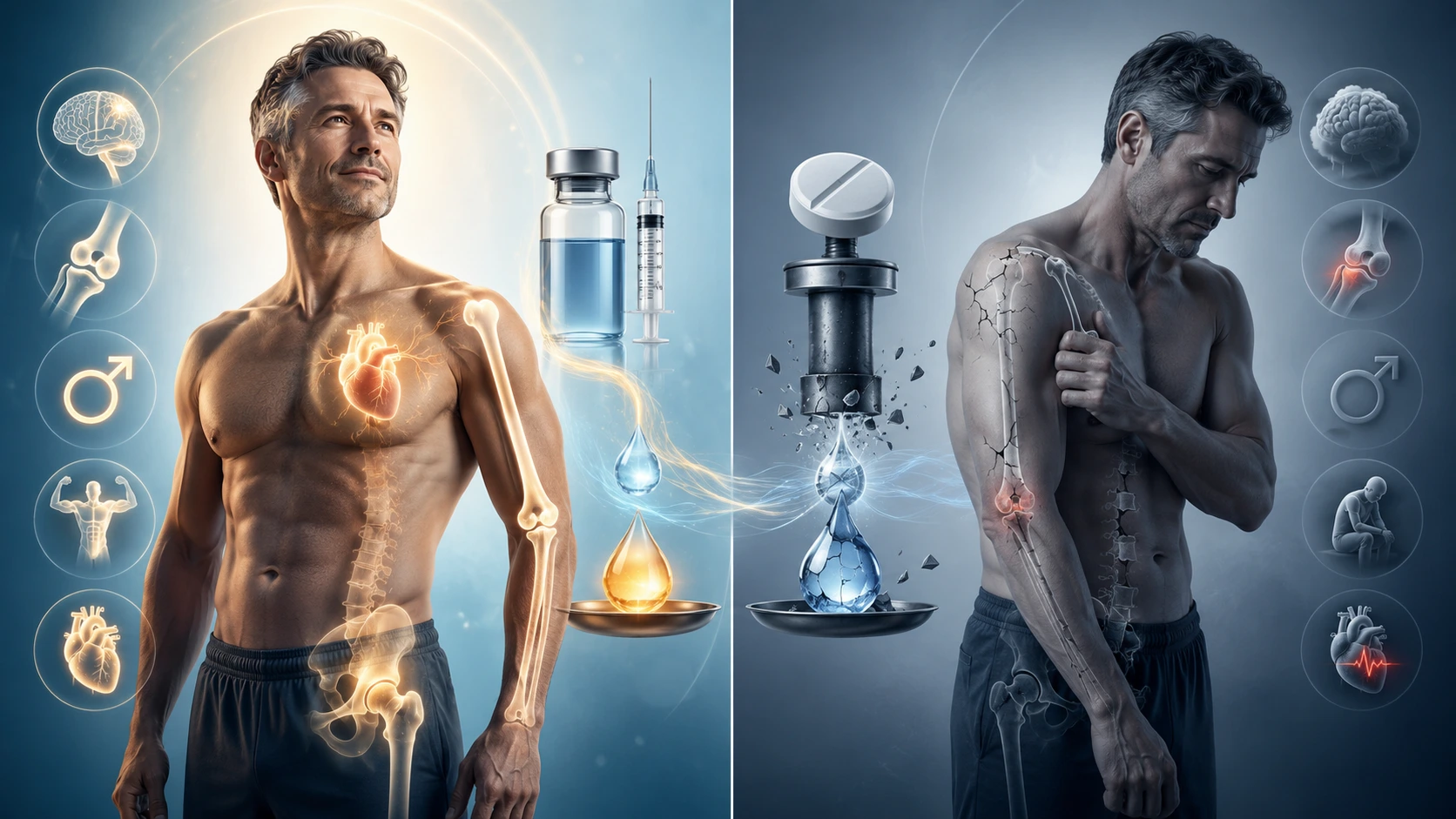
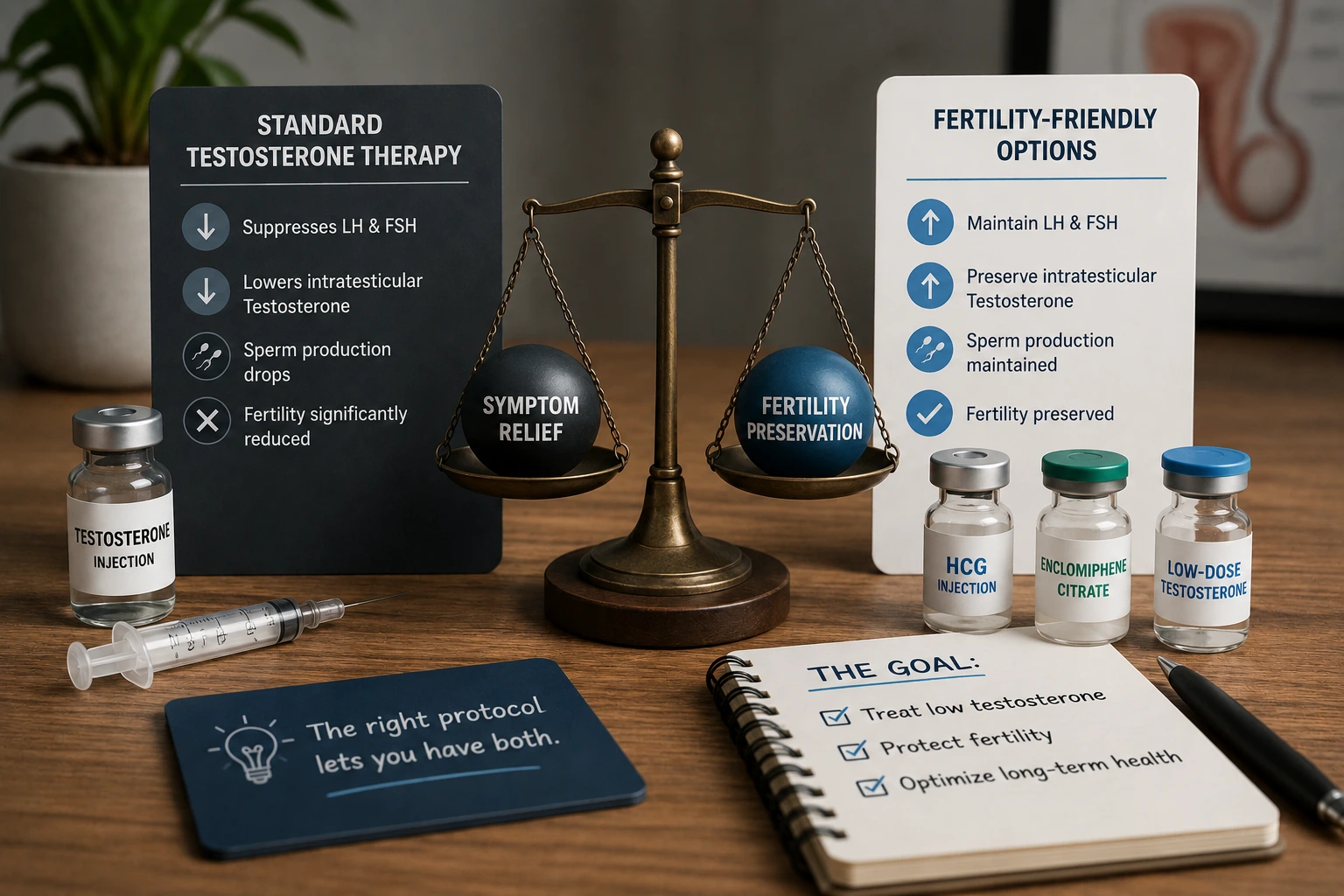
This is why peptides and hormone therapy often work well together. Hormones address deficiencies directly. Peptides enhance your body’s natural processes. Combined, they can produce results neither achieves alone.
Categories of Therapeutic Peptides
Not all peptides do the same thing. They fall into different categories based on their effects.
Growth Hormone Secretagogues
These peptides tell your pituitary gland to release more growth hormone. Growth hormone affects:
- Muscle growth and maintenance
- Fat metabolism
- Sleep quality
- Skin elasticity
- Recovery from exercise or injury
- Energy levels
Your body’s growth hormone production drops significantly with age. By your 40s, you’re producing far less than you did in your 20s. Growth hormone secretagogue peptides encourage your body to make more, using its own natural pathways.
Common peptides in this category include CJC-1295, Ipamorelin, and Sermorelin. They’re often used in combination because they work through different mechanisms and can amplify each other’s effects.
Healing and Recovery Peptides
Some peptides specifically support tissue repair and reduce inflammation. These are popular among athletes and anyone recovering from injury.
BPC-157 is the most well-known in this category. Research suggests it may support healing in muscles, tendons, ligaments, and even the gut lining. People use it for:
- Sports injuries
- Joint problems
- Gut health issues
- Faster recovery from workouts
TB-500 is another recovery peptide. It appears to support tissue repair and may help with flexibility and inflammation.
These peptides don’t mask pain or force healing. They support the biological processes your body uses to repair itself.
Metabolic Peptides
Some peptides affect how your body handles energy, fat storage, and appetite.
GLP-1 peptides like semaglutide fall into this category. They’re now widely used for weight management because they reduce appetite, improve blood sugar control, and help the body use fat for fuel.
Other metabolic peptides like AOD-9604 and MOTS-c target fat metabolism more directly. They may help with stubborn fat that doesn’t respond to diet and exercise alone.
Other Peptide Categories
The peptide world keeps expanding. Other categories include:
- Immune-supporting peptides like Thymosin Alpha-1
- Cognitive peptides like Semax and Selank that may support focus and mental clarity
- Skin and collagen peptides used for anti-aging effects
- Sexual health peptides like PT-141
Each category targets different systems in your body. The right peptides for you depend on your specific goals and what your body needs.
A Closer Look at Popular Peptides
Let’s go deeper on the peptides people ask about most.
BPC-157
BPC stands for Body Protection Compound. This peptide is derived from a protein found in stomach acid. It has been studied for its effects on healing and tissue repair.
Research in animals shows BPC-157 may accelerate healing of muscles, tendons, and ligaments. It also appears to protect and heal the gut lining, which is why some people use it for digestive issues.
People report using BPC-157 for:
- Recovering from muscle strains or tears
- Healing tendon injuries
- Reducing joint pain
- Improving gut health
- Speeding recovery after surgery
It’s typically given by injection, though oral forms exist for gut-specific uses.
CJC-1295 and Ipamorelin
These two peptides are often used together. Both stimulate growth hormone release, but through different pathways.
CJC-1295 extends the pulse of growth hormone release. Ipamorelin triggers the release itself. Together, they create a stronger, longer-lasting increase in growth hormone than either alone.
People use this combination for:
- Better sleep quality
- Increased energy
- Improved body composition (more muscle, less fat)
- Faster recovery from workouts
- Better skin quality
The effects build over time. Most people notice sleep improvements within a few weeks, with body composition changes becoming more visible over months.
Sermorelin
Sermorelin is one of the oldest growth hormone peptides. It was FDA-approved for growth hormone deficiency in children and has a long track record of use.
It works similarly to CJC-1295 by stimulating your pituitary to release growth hormone. Some people prefer it because of its established history and safety data.
Semaglutide and Tirzepatide
These GLP-1 peptides have gotten enormous attention for weight loss. They work by:
- Reducing appetite and food cravings
- Slowing stomach emptying so you feel full longer
- Improving how your body handles blood sugar
- Potentially reducing inflammation
These peptides have strong clinical evidence behind them. They’re now a cornerstone of medical weight management programs.
How Peptide Therapy Actually Works in Practice
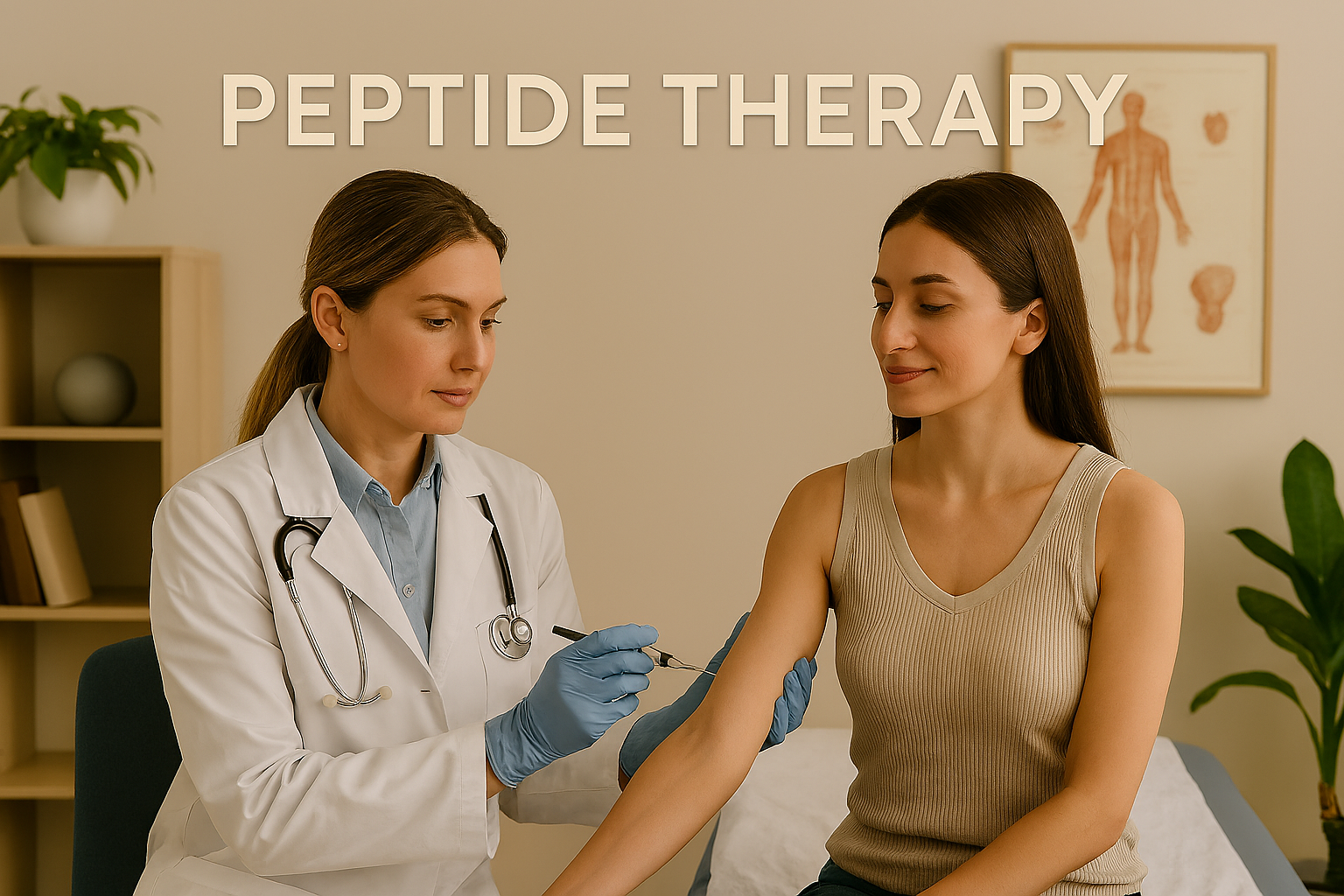
Peptide therapy isn’t something you pick up at a pharmacy and figure out yourself. It requires medical supervision for several reasons.
First, dosing matters. Peptides work best at specific doses given at specific times. Too little does nothing. Too much can cause side effects or diminish effectiveness. The right dose depends on your body, your goals, and how you respond.
Second, quality matters. Peptides must be made correctly and stored properly to work. Physician-guided peptide programs use pharmaceutical-grade peptides from reputable sources. This is very different from research chemicals sold online.
Third, monitoring matters. Your response to peptides should be tracked. This means checking in on symptoms, possibly retesting labs, and adjusting protocols based on results. What works initially may need tweaking over time.
A typical peptide protocol might look like this:
- Initial evaluation to identify goals and any underlying issues
- Selection of appropriate peptides based on your needs
- Instruction on how to use them (most are injected, some are oral)
- Regular check-ins to assess progress
- Adjustments as needed based on response
Are Peptides Safe?
When used correctly under medical supervision, peptides have a good safety profile. Most are versions of compounds your body already makes. They work with your biology, not against it.
That said, peptides are not without risks:
- Injection site reactions (redness, swelling) are common but usually mild
- Some peptides can cause water retention initially
- Growth hormone peptides may affect blood sugar
- Quality issues with unregulated sources can cause problems
The biggest safety concern is using peptides without proper guidance. Buying research peptides online, guessing at doses, and using them without monitoring is risky. You don’t know what you’re actually getting or whether you’re using them correctly.
This is why working with a knowledgeable physician matters. The approach to optimization should always include proper oversight.
Who Might Benefit from Peptide Therapy
Peptides aren’t for everyone. They tend to work best for people who:
- Have specific goals like recovery, body composition, or energy
- Are already doing the basics (nutrition, exercise, sleep) and want more
- Have tried other approaches without full success
- Want to support their body’s natural functions as they age
- Are dealing with injuries that aren’t healing well
They’re not a replacement for healthy habits. Someone eating poorly, never exercising, and sleeping four hours a night won’t get much from peptides. They enhance a good foundation. They don’t create one.
Questions to Ask Before Starting
If you’re considering peptide therapy, here are questions to discuss with a physician:
- What specific peptides make sense for my goals?
- What results can I realistically expect?
- How long will it take to see effects?
- What are the potential side effects?
- How will we monitor my progress?
- Where do the peptides come from?
- How do peptides fit with other treatments I’m considering?
Good answers to these questions help you make an informed decision.
The Bottom Line on Peptides
Peptides are powerful tools for health optimization. They can support recovery, improve body composition, enhance sleep, and help your body work better as you age.
But they’re not magic. They work best as part of a broader approach that includes proper hormone balance, good nutrition, regular movement, and adequate rest.
If you’re curious whether peptides could help you reach your goals, the first step is a conversation with someone who understands both the science and the practical application.
Ready to learn more? Schedule a consultation to discuss whether peptide therapy fits your health optimization plan.