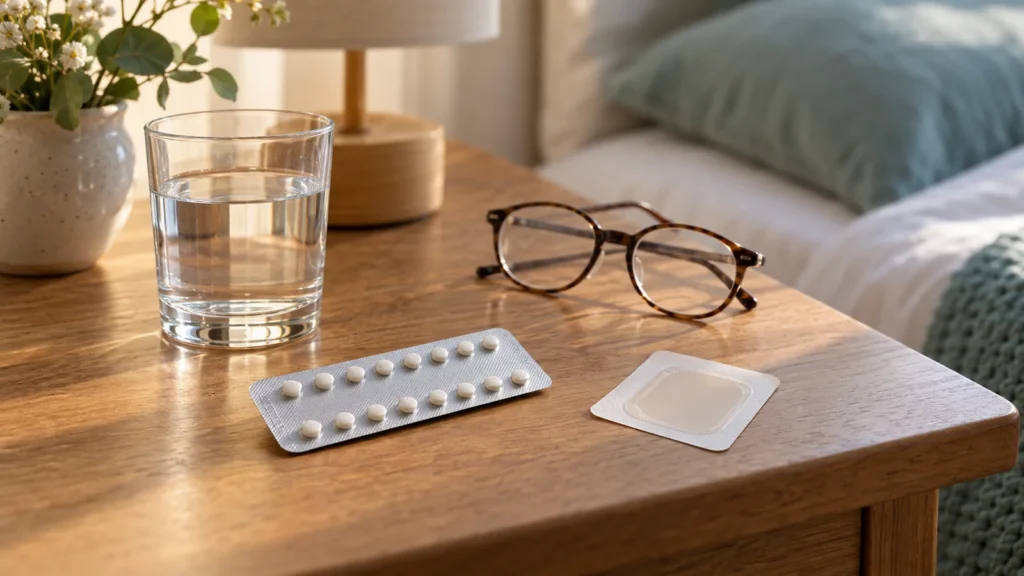
Birth Control vs HRT in Perimenopause: How They Differ
Birth control pills prevent pregnancy and hormone therapy treats menopause symptoms. See how the two differ and when women move from one to the
Read the article

Hormone Optimization Therapy · 5 min read

A men’s health doctor looks for health problems early and treats the ones that affect men, such as low testosterone and prostate trouble. A visit can cover blood pressure, cholesterol, blood sugar, weight, hormones, and cancer screening for the colon and prostate.
Regular screening can find diseases early, when they are easier to treat, says MedlinePlus, the health site of the National Library of Medicine. The screenings you need depend on your age and health history.
Men’s health is a focus, and the main specialty boards give no certificate by that name. The American Board of Medical Specialties lists every certificate its 24 member boards offer, and men’s health is not on the list.
Three kinds of doctor do this work, and the National Cancer Institute describes each one.
Physicians from other fields also build a practice around hormone care. Towsen Clinic is that kind of practice.
These are the basic checks, with the ages that national guidelines give.
The US Preventive Services Task Force recommends colorectal cancer screening for adults ages 45 to 75. That advice covers people at average risk who have no symptoms. A stool test every year and a colonoscopy every 10 years are two of the options.
On prostate cancer, the task force says men ages 55 to 69 should decide about a PSA blood test with their doctor. It recommends against PSA screening for men 70 and older. Its advice dates from 2018, and an update is under way.
The American Urological Association gives an earlier start in a guideline it amended in 2026. Doctors may offer a first PSA test between ages 45 and 50, it says. From 50 to 69, it says to offer regular screening every 2 to 4 years.
Men at higher risk should get the offer earlier, from age 40 to 45, the association says. It names Black men, men with a strong family history of prostate cancer and men with certain inherited gene changes.
Those two schedules differ, so ask your own doctor which one fits you.
A testosterone test follows symptoms. The Endocrine Society recommends against routine screening of men in the general population for low testosterone.
MedlinePlus says the symptoms of low testosterone in men may include these.
A diagnosis needs symptoms or signs plus two low total testosterone readings, according to the American Urological Association. Both blood draws happen early in the morning, on two separate occasions.
Testosterone is FDA approved for men with low testosterone caused by certain medical conditions, the FDA’s testosterone page says.
Tell a doctor about any of these.
The National Institute on Aging suggests these steps before any appointment.
Talk with your doctor about your family health history too, MedlinePlus advises. A testosterone blood draw happens in the morning, between 7 and 10, when levels are usually highest. Ask ahead whether you need to fast.
Our visits for men are about hormones, testosterone, weight and how your body performs. We are not a primary care office or a urology office, and we do not do cancer screening.
We work alongside your own primary care doctor, and your screenings remain with that doctor.
A first visit is 60 to 90 minutes and costs $295. You work with Adrienne Towsen, MD, directly. She reviews your health history, symptoms and goals, then orders lab work.
The lab list on our process page includes total and free testosterone, estradiol, thyroid tests, a lipid panel and hemoglobin A1C. Dr. Towsen personally reviews your results and explains them at a results visit.
For men over 40, the list also has a PSA blood test, which she monitors during testosterone therapy. That lab is part of hormone care, and it does not replace the screening plan you have with your own doctor.
Towsen Clinic is at 795 East Marshall Street in West Chester.
Start with your primary care doctor for blood pressure, cholesterol, blood sugar and cancer screening. Bring up urinary or erection problems there, and ask whether you need a urologist.
If low sex drive or loss of muscle mass is your main worry, a hormone visit is worth a conversation. Our page on testosterone replacement therapy in West Chester, PA lists what we test and what Dr. Towsen monitors during treatment.
Our guide to how the first visit works sets out each step. Call (484) 803-5448 to book.
Birth control pills prevent pregnancy and hormone therapy treats menopause symptoms. See how the two differ and when women move from one to the
Read the article
A plain guide to hormone pellets, creams, gels, patches and pills: how each one delivers a dose and which forms the FDA has approved.
Read the article
What a thyroid antibodies test checks, what a positive result means for Hashimoto's disease, and what happens next.
Read the articleBook a visit at our West Chester office and bring your questions.
Book a consultation