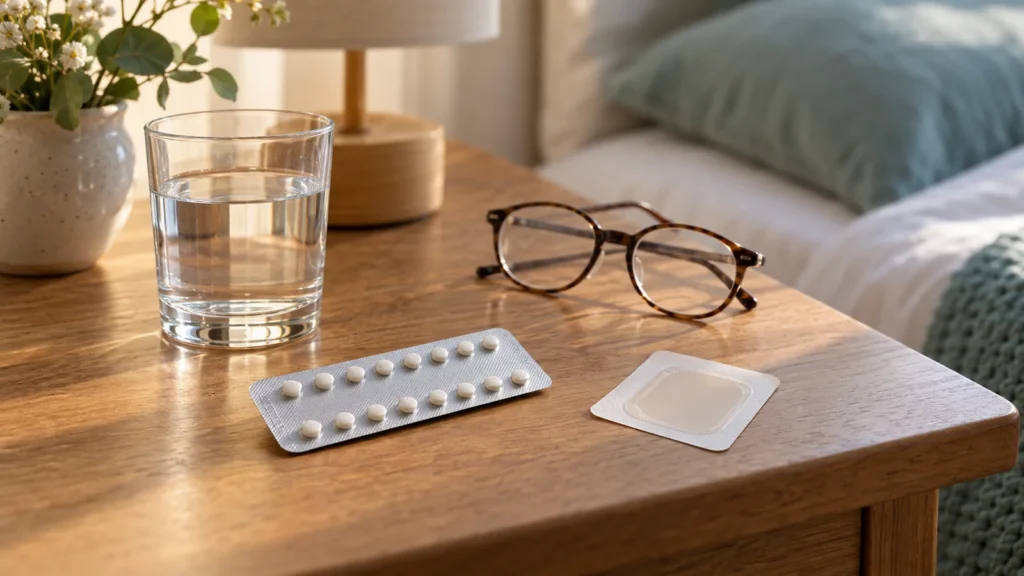
Birth Control vs HRT in Perimenopause: How They Differ
Birth control pills prevent pregnancy and hormone therapy treats menopause symptoms. See how the two differ and when women move from one to the
Read the article

Hormone Optimization Therapy · 5 min read

Andropause is the slow drop in testosterone that men go through as they age. Some people call it male menopause, and doctors use names such as low testosterone or late-onset hypogonadism. MedlinePlus, the National Library of Medicine’s health site, lists all of those names for the same condition.
Testosterone may start to slowly fall around age 30 to 40, MedlinePlus says. Levels drop about 1 percent a year after age 30, according to the Endocrine Society. They do not fall severely, even at an advanced age, it adds.
No. MedlinePlus describes menopause as a major, rapid change that happens over several months. Men do not go through a change like that, it says.
In men the changes come gradually, in a process that some people call andropause. That slow pace is the reason the name male menopause does not fit well.
Some men with low testosterone have no symptoms, MedlinePlus says. Others may have these.
The Endocrine Society’s list adds less energy and more irritability. Hot flashes can show up too, “when testosterone levels are very low,” it says.
Some of these changes can be a normal part of aging, MedlinePlus notes. Less interest in sex is normal with age, it says. No interest in sex at all is not usually normal.
Doctors diagnose it with symptoms and blood tests together. The Endocrine Society recommends the diagnosis only for men who have symptoms and consistently low testosterone.
One blood test is not enough, according to the American Urological Association. It says the diagnosis should come only after two total testosterone tests on separate occasions, both early in the morning.
Time of day changes the result. Testosterone levels shift from hour to hour, the Endocrine Society says, highest in the morning and lowest at night. Its patient guide calls for at least two early morning blood tests, between 7 and 10 AM.
For the number itself, the American Urological Association treats a total testosterone level below 300 ng/dL as a reasonable cut-off. A low number alone does not make the diagnosis, it says. Symptoms or signs have to come with it.
Most tests measure total testosterone, which MedlinePlus calls the most common type of test. Our guide to total and free testosterone explains the other kind.
Other health problems can. MedlinePlus names high blood pressure and diabetes as conditions that may cause these symptoms. It says a doctor will also check for medicine side effects, thyroid problems and depression.
Low testosterone has causes other than age, too. The Endocrine Society lists these.
After a low result, the Endocrine Society recommends more testing to find the cause.
Treatment starts with the cause. Obesity and some other causes can improve without testosterone therapy, the Endocrine Society says, and it wants those addressed before testosterone. All men with testosterone deficiency should get counseling on lifestyle changes, according to the American Urological Association.
Testosterone therapy is the other option. It comes as a pill, gel, patch, injection or implant, MedlinePlus says, and it may relieve or improve symptoms in some men.
Testosterone is FDA approved for men with low testosterone caused by certain medical conditions. The FDA says the approval is only for those men. Its examples include testicles that fail to make testosterone because of genetic problems or chemotherapy.
None of the approved products is approved for men with low testosterone who lack an associated medical condition, the FDA says. Aging by itself is not among the conditions the FDA names.
The Endocrine Society lists lower sperm production, a high red blood cell count, acne, a larger prostate and, rarely, sleep apnea. Studies confirmed a rise in blood pressure with all testosterone products, the FDA said in February 2025.
Not every man should get it. Doctors should not prescribe testosterone to men who are trying to conceive, the American Urological Association says. The Endocrine Society recommends against it for men with breast or prostate cancer.
The Endocrine Society suggests against routinely prescribing testosterone to all men 65 or older with low levels. For men over 65 with symptoms and consistently low morning levels, it suggests offering testosterone case by case. A talk about the risks and benefits comes first.
Talk with a doctor if symptoms of low testosterone bother you, MedlinePlus advises. Certain men may need a test even without symptoms.
The American Urological Association says doctors should think about testing men with unexplained anemia, bone density loss, diabetes or infertility. Long-term use of narcotic or corticosteroid medicines is on its list too.
Tell the doctor about every medicine you take, prescription or not, the Endocrine Society advises. Ask for a morning blood draw.
You work with Dr. Adrienne Towsen, MD, directly. The first visit is 60 to 90 minutes and costs $295.
She goes through your health history, your symptoms and your goals, and lab work comes next. Our standard panel includes total and free testosterone, thyroid tests and a complete blood count.
Dr. Towsen personally reviews your lab results, then explains them at a results visit. We are a direct pay clinic at 795 East Marshall Street in West Chester.
Start with the symptoms list above and a morning blood test. One low number on one day is not a diagnosis.
If your tests and symptoms point to low testosterone, read our page on testosterone replacement therapy in West Chester, PA. It shows what we test, how Dr. Towsen builds a plan and what she monitors during care.
You can see how the first visit works before you book. Call (484) 803-5448 to set up a first visit.
Birth control pills prevent pregnancy and hormone therapy treats menopause symptoms. See how the two differ and when women move from one to the
Read the article
A plain guide to hormone pellets, creams, gels, patches and pills: how each one delivers a dose and which forms the FDA has approved.
Read the article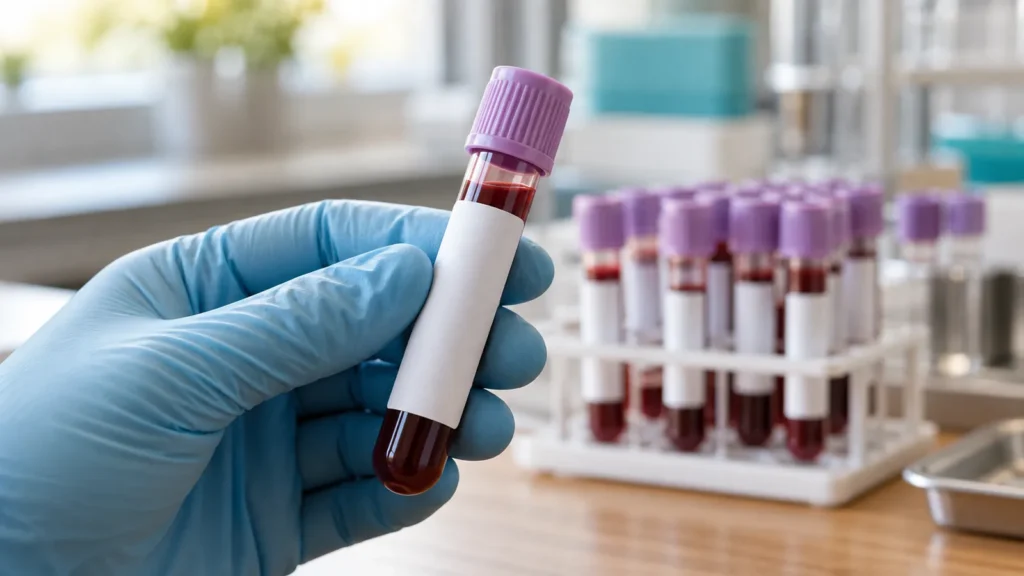
What a thyroid antibodies test checks, what a positive result means for Hashimoto's disease, and what happens next.
Read the articleBook a visit at our West Chester office and bring your questions.
Book a consultation